Wednesday, January 1, 2014
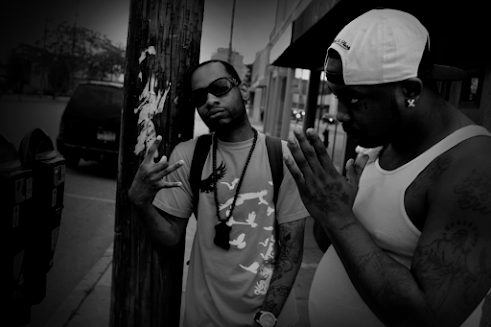
R-Stonze.Com Launches Today
Friday, September 27, 2013
Bits: On YouTube, ‘Lyrics Videos’ Mark a New Genre
Monday, June 24, 2013
Bits Blog: Facebook Is Betting Longer Videos Are Better
Sunday, June 23, 2013
Bits Blog: Facebook Is Betting Longer Videos Are Better
Wednesday, May 29, 2013
Gadgetwise Blog: Q&A: Rescuing Lost Videos From YouTube
I have some old videos that I posted to YouTube years ago. I no longer have the original files on my computer, but is it possible to get copies from YouTube itself?
While YouTube frowns upon downloading other people’s video clips and does not provide its own built-in tools to do so, you can get copies of the videos you have uploaded from your own YouTube account. That is, of course, if the videos are still posted on the YouTube site and have not been removed.
Start by logging into your YouTube account. Once you have signed in, click on your YouTube user name in the top right corner of the browser window. In the menu that appears, choose Video Manager. On the left side of the Video Manager screen, click Uploads and select a clip to download. On the Edit button next to the thumbnail, click the arrow and choose Download MP4 from the menu.
YouTube allows you to download up to two of your videos an hour, so it may take some time to get copies of everything if you have uploaded a lot of clips over the years. The site has other restrictions for downloading videos from your account: you may not be able to download clips you had posted if those videos use copyrighted content or other restricted material.
Wednesday, September 19, 2012
Google Won’t Rethink Anti-Islam Video’s Status
Somini Sengupta contributed reporting.
Monday, September 17, 2012
Google Won’t Rethink Anti-Islam Video’s Status
Somini Sengupta contributed reporting.
Wednesday, July 25, 2012
Media Decoder Blog: YouTube Offers a Way to Blur Faces, Protecting Identities in Videos
To help protect dissidents using video to tell their stories in countries with repressive government regimes, YouTube made available a new tool on Wednesday allowing people to obscure faces within videos uploaded onto its platform.
Protecting the identity of activists using social media has become a growing concern among human rights groups as authoritarian governments in some countries, including Syria, have been turning to citizen-generated videos of protests and other user-generated content on social media sites to identify and jail dissidents.
“Visual anonymity in video allows people to share personal footage more widely and to speak out when they otherwise may not,” Amanda Conway, a YouTube policy associate, wrote in a statement about the new tool. She pointed out that “human rights footage, in particular, opens up new risks to the people posting videos and to those filmed.”
Sam Gregory, program director for Witness.org, the leading human rights video advocacy and training organization, praised the move. Witness.org recently began collaborating with YouTube on a new human rights channel.
Mr. Gregory has been trying to raise awareness among dissidents and operators of social media sites about the importance of anonymity for activists when speaking out can put them at risk of retaliation.
In recent years, Mr. Gregory said, government officials in places like Myanmar, Iran and Syria have used videos of protests to identify dissidents. “There have been clear attempts to use citizen-shot footage to target people and punish them for speaking out against the regime,” Mr. Gregory said.
But Mr. Gregory said the tool would help more people than the activists involved in protests. He said that it would also protect the identity of people who want to use video to speak out about subjects like sexual assault and abuse.
YouTube said that the technology could be used for happier situations, too. Its statement points out that it could be used before sharing “the winning point in your 8-year-old’s basketball game” so that the child’s face would not be broadcast to the world.
Thursday, July 19, 2012
Media Decoder Blog: YouTube Offers a Way to Blur Faces, Protecting Identities in Videos
To help protect dissidents using video to tell their stories in countries with repressive government regimes, YouTube made available a new tool on Wednesday allowing people to obscure faces within videos uploaded onto its platform.
Protecting the identity of activists using social media has become a growing concern among human rights groups as authoritarian governments in some countries, including Syria, have been turning to citizen-generated videos of protests and other user-generated content on social media sites to identify and jail dissidents.
“Visual anonymity in video allows people to share personal footage more widely and to speak out when they otherwise may not,” Amanda Conway, a YouTube policy associate, wrote in a statement about the new tool. She pointed out that “human rights footage, in particular, opens up new risks to the people posting videos and to those filmed.”
Sam Gregory, program director for Witness.org, the leading human rights video advocacy and training organization, praised the move. Witness.org recently began collaborating with YouTube on a new human rights channel.
Mr. Gregory has been trying to raise awareness among dissidents and operators of social media sites about the importance of anonymity for activists when speaking out can put them at risk of retaliation.
In recent years, Mr. Gregory said, government officials in places like Myanmar, Iran and Syria have used videos of protests to identify dissidents. “There have been clear attempts to use citizen-shot footage to target people and punish them for speaking out against the regime,” Mr. Gregory said.
But Mr. Gregory said the tool would help more people than the activists involved in protests. He said that it would also protect the identity of people who want to use video to speak out about subjects like sexual assault and abuse.
YouTube said that the technology could be used for happier situations, too. Its statement points out that it could be used before sharing “the winning point in your 8-year-old’s basketball game” so that the child’s face would not be broadcast to the world.